
How a Former Microsoft Engineer Built 4 Profitable Apps Making $60,000 a Month, Without Paid Ads
A real-world guide to building and launching profitable SaaS products, indie apps, and software businesses using organic marketing, rapid validation, and lean development.
Breaking Free From the 9-to-5 Grind
If you’re a developer, you already know the feeling. You spend late nights and long weekends building something impressive, but the product isn’t yours. The profits belong to someone else. The company owns your work, your creativity, your output.
For most people, building your own profitable software product stays just a dream, a late-night browser tab with a half-typed idea that never goes anywhere.
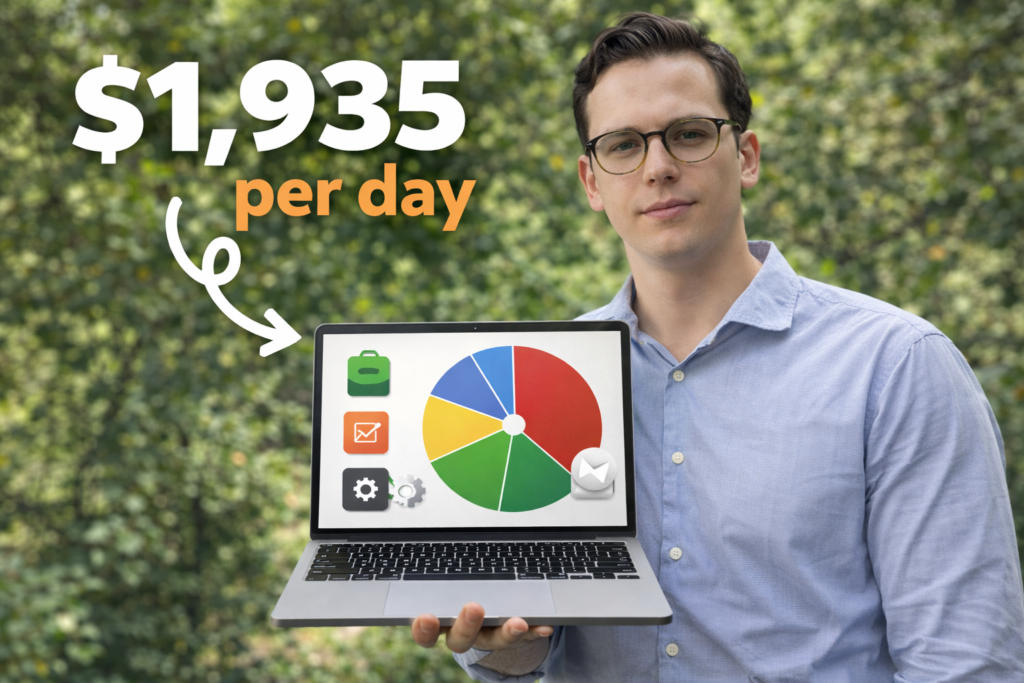
But Jure Sotosek, a 26-year-old former Microsoft engineer, turned that dream into a $60,000/month software business. And he did it without a massive team, without venture capital, and without spending a dollar on advertising.
This is not a “I woke up rich” story. It’s a step-by-step breakdown of how one developer identified real problems, built fast, marketed smart, and kept going when things were slow. Whether you want to launch your first indie app, build a profitable SaaS product, or simply start your journey toward software entrepreneurship, this guide breaks down exactly what worked, and why.
The Four Products Behind $60K/Month
One of the smartest things Ure did was not put everything into a single product. He built four, each targeting a different audience. Each one taught him something new about building profitable digital products.
1. Rummer — The Hardware Play ($300K in One Year)
Rummer is a small plug-in device for your car’s OBD2 port that plays realistic engine sounds through your speakers. It sounds almost too simple. But that simplicity is exactly why it worked.
Why it succeeded: Jure found a passionate niche, car enthusiasts who care deeply about sound and driving experience. He created short demo videos, the content went viral, and the product made $300,000 in its first year.
The lesson? Niche passion communities are goldmines for product-market fit. You don’t need mass appeal, you need the right audience.
2. Parakeet AI — The Interview Prep Tool ($35,000 Last Month)
Parakeet AI is an AI-powered job interview assistant that provides real-time suggestions during interviews. Last month alone, it generated $35,000 in revenue.
What makes it clever is the pricing model. Instead of a traditional monthly subscription, users buy credits. They pay only when they need it, typically for a few interviews, then they stop. This credit-based SaaS pricing strategy eliminates churn guilt and aligns perfectly with how job seekers actually behave.
If you’re building tools for a temporary need, usage-based pricing is almost always the right call.
3. Optibase — The Focused B2B Tool ($6,500/Month Recurring)
Optibase brings A/B testing to Webflow, a popular no-code website builder used by designers and small business owners who aren’t developers. Most of them can’t build testing tools themselves, so Optibase solves a real, recurring problem for them.
The beauty here is the narrow focus. Rather than competing in the crowded general A/B testing software market, Ure built exclusively for one platform. Fewer potential customers, far less competition, and a loyal user base that pays every month.
Micro-SaaS strategy at its finest: smaller market, loyal customers, sustainable revenue.
4. Apply Agent — The Newest Launch ($1,000 in Two Weeks)
Apply Agent is an AI-powered job application tool that automatically fills out job applications for you. Just two weeks after launch, it had already generated $1,000 in revenue.
That early traction is the only signal you need to know whether an idea is worth doubling down on. It’s not about the dollar amount; it’s about proving someone will pay.
How He Got 300 Million Views Without Spending on Ads
This is the part of Ure’s story that most developers ignore, and they shouldn’t. He generated over 300 million organic video views on TikTok and Instagram Reels. No ad spend. Just smart content marketing for SaaS.
His content formula is deceptively simple:
- Hook the viewer in the first 3 seconds, make them stop scrolling
- Show the problem clearly before you show the solution
- Demonstrate the product working live, don’t just describe it
- End with a clear, direct call to action
He also ran constant experiments. Different hooks, different angles, different endings. Videos that performed well got amplified; the rest were dropped. This iterative organic content strategy is more systematic than it looks.
The Co-Founder Who Multiplied the Results
Jure is honest about one thing: he’s not a natural video creator. Rather than spending months forcing himself to improve, he found a partner whose genuine strength was content creation. They split revenue. The partner handled videos; Ure handled building.
Together, Rummer earned over 200 million views. Neither could have done it alone.
The takeaway for solo founders: know your weaknesses, and bring in someone who turns them into strengths. Structure the deal fairly so both parties are genuinely motivated.
Why He Builds Everything in Two Weeks
Jure has one non-negotiable rule: if you can’t validate your idea in two weeks, you’re moving too slowly.
That might sound extreme. But there’s real logic behind it. Your idea isn’t as unique as you think. Someone else has it right now. The only way to win is to ship your MVP faster, reach real users first, and start collecting feedback while your competitors are still planning.
His Two-Week Launch Framework
Week 1 — Build the Core:
- Build only the one feature that solves the core problem
- Cut everything else; it can come later
- Set up payments from day one
Week 2 — Get It in Front of People:
- Deploy and make it live, imperfect is fine
- Try to get one paying customer before the two weeks are up
- If someone pays, you have something worth improving
The goal isn’t a polished product. The goal is proof of willingness to pay.
The Lean Tech Stack Behind All Four Products
Jure doesn’t use exotic tools. He sticks to a lean, proven indie hacker tech stack that lets him build fast and iterate quickly:
- Frontend: Next.js + React with Tailwind CSS
- Backend: Node.js with serverless functions on Vercel or AWS
- Database: Firebase or Supabase
- AI features: OpenAI API (no custom model training)
- Payments: Stripe (integrated from day one)
Simple, battle-tested, and fast to build with. If you’re choosing a tech stack for your SaaS product, this combination covers the vast majority of use cases with minimal overhead.
SaaS Pricing Strategy: Matching the Model to the Customer
Ure doesn’t apply a one-size-fits-all pricing model. He picks the structure that fits how his customers actually think and spend.
- Parakeet AI → Credits (job seekers don’t want a recurring subscription; they’ll forget to cancel)
- Optibase → Monthly subscription (businesses use it every month and need continuity)
- Rummer → One-time hardware purchase (simple, no ongoing commitment)
There’s also a growing opportunity in one-time pricing. Subscription fatigue is real. A product that charges once and delivers lasting value stands out in a world full of monthly fees. Consider lifetime deal pricing as a valid growth lever, especially at launch.
The Mindset Shift That Makes This Work
Running your own software business is fundamentally different from employment. At a job, effort and pay are loosely connected. In a business, your income is directly tied to the value you create and how effectively you deliver it.
That’s terrifying. It’s also what makes it worth doing.
Ure talked honestly about the hard days, the periods with no sales, no traction, and genuine self-doubt. What kept him going wasn’t blind optimism. It was a grounded belief that consistent effort on a real problem eventually compounds into real results.
He also deals with context switching daily: debugging code in the morning, brainstorming video concepts in the afternoon, handling customer support at night. Managing this requires discipline. Time-blocking helps. So does accepting that done is better than perfect
A 30-Day Roadmap to Launch Your First Profitable App
Days 1–7: Validate the Idea
- Spend time in online communities where your target users actually talk
- Look for problems people complain about repeatedly
- Check whether people are already paying for similar (even imperfect) solutions
- Build a simple landing page and measure whether anyone clicks or signs up
Days 8–14: Build the MVP
- Build only the core feature that solves the main problem
- Integrate payments from day one, Stripe is your friend
- Deploy it live, waiting for “perfect” just loses you time
Days 15–30: Launch and Iterate
- Create 10–20 short videos showing the product solving a real problem
- Post daily and engage with everyone who responds
- Talk to early users, fix the biggest friction points first
- Track your first paid transaction, that’s your real proof of concept
Common Mistakes First-Time Founders Make (and How to Avoid Them)
- Building in stealth for months. The most common mistake. Show people early, get feedback fast, and avoid building something nobody wants.
- Treating marketing as an afterthought. You need to think about how customers will discover your product from day one — not after launch.
- Underpricing. Developers often underprice because they’re uncomfortable with charging what their product is worth. Test higher price points. You’ll be surprised how often they hold.
- Giving up too early. Most indie SaaS products take 12–24 months before gaining real momentum. Progress is rarely linear. Stay in the game.
Frequently Asked Questions
How much money do I need to start?
Very little. Hosting a basic web app costs $10–$50/month. Your biggest investment is time, not money.
Do I have to quit my job first?
No. Start while you’re still employed. Validate the idea, get your first paying customers, and only then make decisions about your career. Don’t add financial pressure unnecessarily.
What if I’m not good at marketing?
Ure wasn’t either, at first. You can learn it, find a partner who’s strong at it, or focus on organic short-form video content, which doesn’t require a big budget or professional skills. Just consistency and experimentation.
Should I build one product or multiple?
Start with one. Get it to a point where it runs with minimal oversight. Then consider adding another product to your portfolio.
How long until I make real money?
Plan for 12–24 months to build a reliable income. Some products make their first dollar in weeks. Building sustainable passive income from software takes longer. Stay patient and keep iterating.
Final Thoughts: The Tools Are Already There, What Are You Waiting For?
Jure’s story isn’t about luck or connections. It’s about a developer who decided to start building for himself instead of for a company. He found real problems, validated them fast, shipped quickly, marketed consistently with short-form video, and didn’t stop when things were hard.
The tools available to developers today are extraordinary. AI APIs, no-code platforms, cloud infrastructure, short-form video distribution, all of it lowers the barrier to building and launching a profitable software product to nearly zero.
What separates the developers who ship from the ones who don’t isn’t talent. It isn’t connections. It isn’t even time. It’s the decision to start, ship something real, and adjust based on what happens next.
Your job will still be there if it doesn’t work out. The regret of never trying is harder to shake. Start small, build something real, and see where it goes.